Hidden Vulnerabilities in Privileged Access and Data Security- image 1

Hidden Vulnerabilities in Privileged Access and Data Security

The article is also available at:
Ukrainian, Azerbaijani, Kazakh, Russian

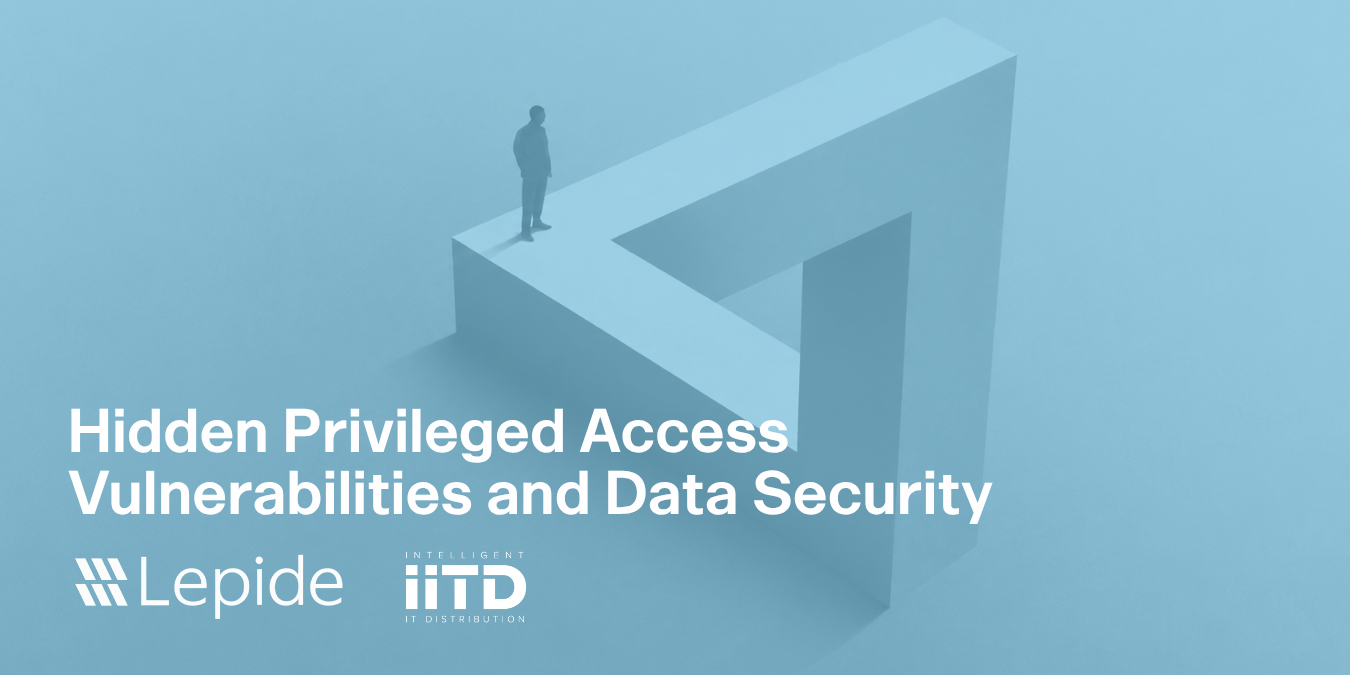
The analysis of corporate security in the Identity and Data Security 2026 report shows a worrying trend: 100% of the organizations surveyed have critical gaps in the management of privileged access. The true administrators of the corporate network are not only the official list of the IT department, but also numerous hidden accounts in nested groups and forgotten service profiles. The lack of clear visibility of these powers creates favorable conditions for cybercriminals and turns the integration of new technologies into a large-scale risk for business.

Hidden Vulnerabilities in Privileged Access and Data Security - image 1
ISSUES

Account Lifecycle Chaos

According to research by Lepide, 90% of enterprises keep active accounts unused for long periods and have profiles with passwords without expiration. This technical debt accumulates over the years when the processes of hiring, dismissing, or transferring employees are not synchronized with the audit of Active Directory. The situation is significantly complicated by the operational noise of authentication: millions of failed login attempts from outdated applications or service accounts constantly overload monitoring systems. Such a volume of false alerts prevents security analysts from timely noticing real attacks, including password guessing or the use of compromised data.

SOLUTION IMPLEMENTATION

Continuous Monitoring Instead of Periodic Audits

The traditional approach to cybersecurity with manual checks once a quarter or year has finally lost its effectiveness. Modern infrastructure requires the concept of continuous monitoring, which allows seeing effective permissions in Active Directory and Microsoft Entra ID in real-time. Transitioning from reactive firefighting to proactive risk management means that security teams don’t wait for an incident but preemptively remove excessive rights. This approach forms a reliable basis for building a Zero Trust architecture, where trust is never static, and every user action is constantly verified.

FUNCTIONAL FOCUS

Deconstruction of Groups and Privilege Management

Improving the IT environment with specialized platforms involves three key stages of working with powers. The first step is the deconstruction of nested security groups to identify shadow administrators who have gained critical access rights through indirect inheritance. The second stage focuses on service accounts: the system inventories them, determines business owners, and limits excessive privileges. The third stage is the analysis of effective permissions to access confidential data stores and the elimination of unjustified Full Control rights for financial or HR data, leaving only the minimum necessary functions for work.

IMPLEMENTATION SCENARIOS

Artificial Intelligence as a Risk Catalyst

The most illustrative example of the importance of correct access management is the deployment of artificial intelligence technologies such as Microsoft Copilot. AI assistants do not create new technical vulnerabilities, but they rapidly highlight old issues with inherited permissions. If an employee has accumulated excessive rights due to role changes between departments, the use of AI allows them to find the company’s confidential documents with simple text queries. Understanding these scenarios and having analytical tools enable the security team to revoke excessive powers before they become a vector for insider information leaks.

PRACTICAL IMPLEMENTATION

Data Centralization for Rapid Response

For effective infrastructure protection, specialists need to abandon manual log collection using PowerShell scripts, standard event viewers, and summary tables. Modern solutions by Lepide consolidate security events from hybrid environments into a single analytical center.

This drastically reduces investigation time from hours or days to a few minutes, freeing up team resources for strategic design of new systems. Cybersecurity services receive standardized workflows that allow instant responses to questions like who changed permissions, when it happened, and which confidential files were copied.

Reliable data protection is impossible without a complete understanding of where data is stored and who has access to it. Lifecycle management of accounts is not just a routine technical task but a critical element of corporate compliance and secure business scaling.

iIT Distribution as a distributor of cybersecurity solutions provides full support for projects from infrastructure needs assessment to implementation of Identity Security class platforms. The iIT Distribution team offers expert technical consultations, conducts development and adaptation of Lepide solutions, helping partners and clients identify hidden risks and build a transparent access management system based on the principle of least privilege.

News

Current news on your topic

All news
All news